Homeopathic Treatment for Dermoid Cyst in Ovary

What is a Dermoid Cyst?

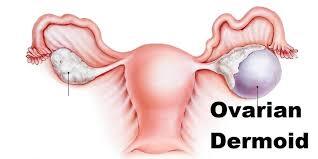
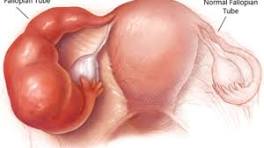
An ovarian dermoid cyst, also known as a mature cystic teratoma, is a common benign ovarian tumor that develops from germ cells. These cysts may contain tissues such as hair, skin, fat, sebaceous material, cartilage, or even teeth. They are usually non-cancerous and commonly occur during the reproductive years.

What Causes an Ovarian Dermoid Cyst?

Dermoid cysts develop from primitive germ cells that have the ability to form different types of body tissues.

Risk Factors

  • Women between 20 and 40 years of age
  • Reproductive age group
  • Hormonal influences
  • Family history of ovarian cysts (possible association)

Types of Ovarian Dermoid Cysts

Mature Cystic Teratoma

  • Most common type
  • Usually benign
  • Slow-growing

Immature Teratoma

  • Rare
  • Contains immature tissues
  • May require specialized treatment

Symptoms of Ovarian Dermoid Cyst

Many women have no symptoms and the cyst is discovered during routine ultrasound.

Common symptoms include:

  • Lower abdominal pain
  • Pelvic discomfort
  • Abdominal heaviness
  • Bloating
  • Pain during menstruation
  • Irregular menstrual cycles
  • Pain during intercourse
  • Pressure on bladder causing frequent urination
  • Pressure on bowel causing constipation

Complications of Ovarian Dermoid Cysts

Ovarian Torsion

A large dermoid cyst can twist the ovary, causing:

  • Sudden severe abdominal pain
  • Nausea and vomiting
  • Surgical emergency

Rupture

Rare but possible, leading to inflammation inside the abdomen.

Infection

Occasionally the cyst may become infected.

Malignant Transformation

Very rare, especially in older women.

How is an Ovarian Dermoid Cyst Diagnosed?

Clinical Examination

Pelvic Ultrasound

Most common diagnostic test.

CT Scan

MRI Scan

Blood Investigations

  • CA-125 (when clinically indicated)
  • Routine blood tests

Ultrasound Features of Dermoid Cyst

Typical findings include:

  • Echogenic mass
  • Fat-fluid level
  • Dermoid mesh appearance
  • Calcification
  • Tooth-like structures

Differential Diagnosis

Conditions that may resemble a dermoid cyst:

  • Functional ovarian cyst
  • Endometrioma
  • Hemorrhagic cyst
  • Cystadenoma
  • Polycystic ovarian disease (PCOS)

Conventional Treatment Options

Treatment depends on:

  • Size of cyst
  • Symptoms
  • Age of patient
  • Risk of complications

Homeopathic Approach to Ovarian Dermoid Cyst

Homeopathy focuses on the individual’s symptoms, menstrual history, hormonal balance, emotional factors, and overall health.

The homeopathic approach aims to:

  • Improve general health
  • Support hormonal balance
  • Address associated symptoms such as pelvic pain, bloating, menstrual irregularities, and digestive complaints
  • Provide individualized care based on the patient’s constitution

Treatment is selected after detailed case-taking and evaluation.

Lifestyle Tips for Women with Ovarian Dermoid Cysts

  • Regular gynecological follow-up
  • Healthy diet
  • Weight management
  • Regular exercise
  • Stress reduction
  • Adequate sleep
  • Prompt medical attention for sudden severe abdominal pain

Frequently Asked Questions

Can a dermoid cyst become cancerous?

Most dermoid cysts are benign. Malignant transformation is rare.

Can dermoid cysts cause infertility?

Most women with dermoid cysts remain fertile, but large cysts may require medical evaluation.

Can a dermoid cyst disappear on its own?

Dermoid cysts usually do not disappear spontaneously and should be monitored by a gynecologist.

Can dermoid cysts recur after surgery?

Recurrence is uncommon but possible.

Is surgery always necessary?

Not always. Management depends on size, symptoms, and clinical findings.

Why Choose Health Global Homoeopathy Clinic?

At Health Global Homoeopathy Clinic, Dr. Jyoti Kadkol provides individualized care for women with ovarian cysts, PCOS, fibroids, adenomyosis, menstrual disorders, and other gynecological concerns.

How Homeopathy Helps in Treating Dermoid Cysts

At Health Global Homeopathy Clinic, we take a holistic and individualized approach to treating dermoid cysts. Homeopathy works by stimulating the body’s own healing intelligence, addressing the root cause rather than simply suppressing symptoms.

Constitutional homeopathic remedies aim to:

  • Gradually reduce the size of the cyst
  • Prevent recurrence after healing
  • Eliminate associated discomfort such as pain, bloating, and hormonal imbalance
  • Restore overall health and well-being

All of this is achieved without the risks of surgery, anesthesia, or long-term hormonal medications.

Our Approach is Completely Individualized

Every patient at Health Global Homeopathy Clinic receives a personalized treatment plan based on their:

  • Cyst type, size, and location
  • Complete health history
  • Emotional and mental health profile
  • Hormonal status (for women)
  • Diet, lifestyle, and daily routine

No two patients receive the exact same prescription — because no two people are the same.

Commonly indicated remedies (prescribed only after thorough case analysis) support lymphatic drainage, reduce tissue congestion, balance hormonal activity, and gently dissolve abnormal tissue accumulations — naturally and safely.

Patient Testimonials

Preethi R., 28 years | Bengaluru | Ovarian Dermoid Cyst

⭐⭐⭐⭐⭐

“I had an ovarian dermoid cyst detected during a routine scan. The doctors suggested surgery, but I was scared. A friend suggested I visit Health Global Homeopathy Clinic in Vijaynagar. After 8 months of treatment, my follow-up ultrasound showed the cyst had reduced significantly. I am so relieved and grateful!”


Anjali M., 34 years | Vijaynagar, Bengaluru | Ovarian Cyst with Hormonal Imbalance

⭐⭐⭐⭐⭐

“I was experiencing irregular periods and pelvic discomfort. After investigation, I was told it was a dermoid cyst on my left ovary. I had been on hormonal tablets from another clinic with no improvement. After switching to homeopathic treatment at Health Global, not only did the cyst reduce, but my cycles also became regular within 5 months. Truly remarkable treatment.

Why Choose Health Global Homeopathy Clinic?

  • ✅ Experienced and qualified homeopathic doctors
  • ✅ Completely individualized treatment for every patient
  • ✅ Safe, gentle treatment — no surgery, no side effects
  • ✅ Treats the root cause, not just the cyst
  • ✅ Conveniently located in Vijaynagar and Whitefield, Bengaluru
  • ✅ Supportive, patient-centered approach

Book Your Consultation Today

If you or a loved one has been diagnosed with a dermoid cyst, do not wait. Early homeopathic treatment gives the best results. Our doctors are here to guide you with care, compassion, and expertise.

📍 Health Global Homeopathy Clinic — Vijaynagar, Bengaluru 📍 Health Global Homeopathy Clinic — Whitefield, Bengaluru

www.healthglobalclinics.com

call now.📍 Vijayanagar & Whitefield, Bangalore
📞 9035971275 | 7975520159


Homeopathy for Urticaria

Homeopathy for Urticaria

Introduction

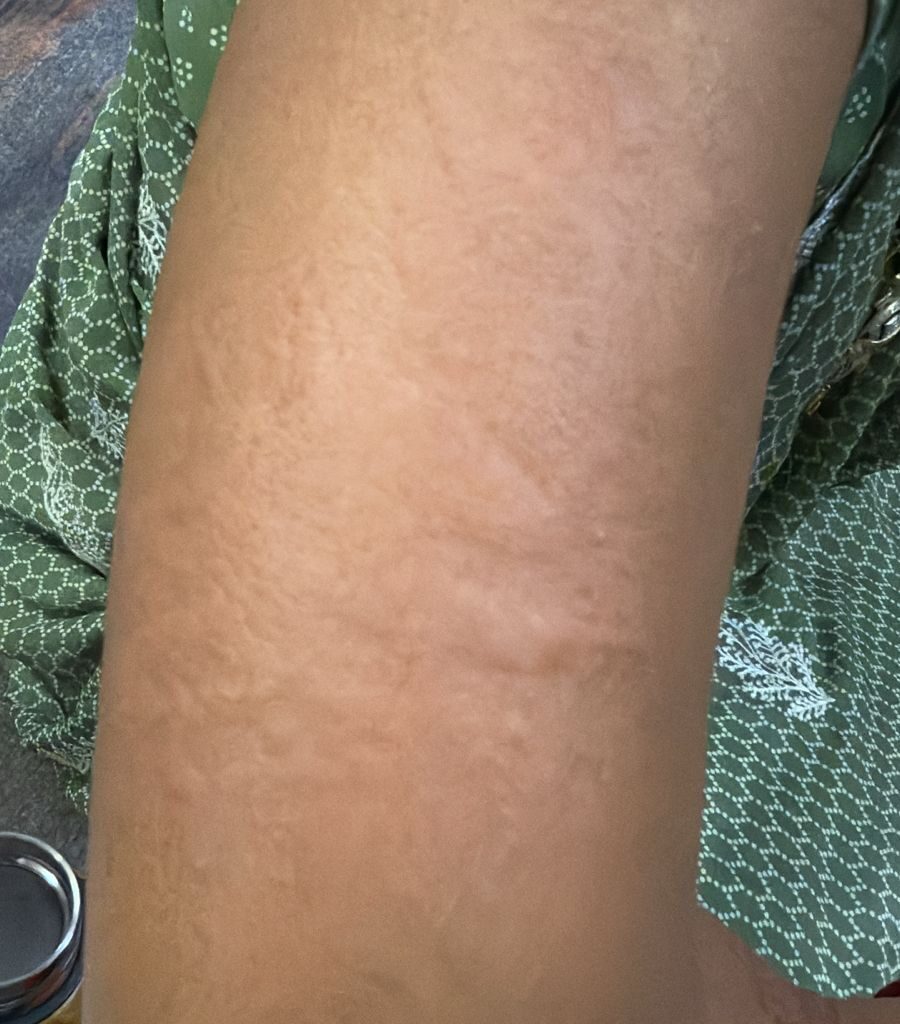
Urticaria, commonly known as hives, is a frequent skin condition characterized by sudden appearance of itchy, red or skin‑colored swellings (wheals) on the skin. These lesions may vary in size, change location, and usually disappear within hours to days. Though often considered a minor allergic reaction, chronic urticaria can significantly affect quality of life due to persistent itching, discomfort, disturbed sleep, anxiety, and cosmetic concern.

What is Urticaria?

Urticaria is a hypersensitivity reaction of the skin caused by the release of histamine and other inflammatory mediators from mast cells. This leads to increased permeability of blood vessels, resulting in localized swelling and redness of the skin.

Types of Urticaria

  • Acute Urticaria – Lasts less than 6 weeks; commonly triggered by food, drugs, infections, or insect bites.

  • Chronic Urticaria – Persists for more than 6 weeks; may last for months or years. Often idiopathic or autoimmune in nature.

  • Physical Urticaria – Triggered by physical factors such as:

    • Cold (cold urticaria)

    • Heat or sweating (cholinergic urticaria)

    • Pressure (delayed pressure urticaria)

    • Sunlight (solar urticaria)

  • Angioedema – Deeper swelling involving lips, eyelids, face, throat, or genitals; may coexist with urticaria.

Causes and Triggers

  • Food allergies (nuts, eggs, seafood, milk)

  • Drug reactions (antibiotics, painkillers, vaccines)

  • Infections (viral, bacterial, parasitic)

  • Autoimmune disorders (thyroid disease)

  • Stress and emotional factors

  • Environmental factors (dust, pollen, cold, heat)

  • Hormonal changes

In many chronic cases, no single cause is identified, which can be frustrating for patients.

Symptoms

  • Sudden appearance of raised, red or pale wheals

  • Severe itching or burning sensation

  • Lesions that change shape, size, and location

  • Swelling of lips, eyelids, face (angioedema)

  • Symptoms worse at night or after stress

Diagnosis

Urticaria is mainly a clinical diagnosis. Investigations may be advised in chronic cases to identify underlying causes:

  • Complete blood count (CBC)

  • ESR / CRP

  • Thyroid profile

  • IgE levels

  • Allergy testing (if indicated)

Conventional Treatment – Limitations

Conventional management mainly includes antihistamines and steroids, which may provide temporary relief but do not address the root cause. Long‑term use can lead to recurrence once medicines are stopped and may cause side effects, especially in children.

Homeopathic Approach to Urticaria

Homeopathy offers a gentle, safe, and holistic approach to urticaria by addressing the individual’s immune response, internal sensitivity, and emotional triggers.

How Homeopathy Helps:

  • Reduces frequency and intensity of attacks

  • Controls itching and burning without sedation

  • Strengthens immune balance

  • Addresses emotional and stress‑related triggers

  • Safe for infants, children, pregnant women, and elderly

  • Aims for long‑term relief, not suppression

Individualized Treatment

Homeopathic medicines are selected based on:

  • Nature of eruptions (itching, burning, color)

  • Modalities (better/worse from heat, cold, night, pressure)

  • Associated symptoms (digestive issues, respiratory allergies)

  • Emotional profile (anxiety, anger, stress, sensitivity)

Commonly used remedies include Apis mellifica, Urtica urens, Rhus toxicodendron, Natrum muriaticum, and Sulphur, but self‑medication is not advised.

Urticaria in Infants and Children

Urticaria is common in babies and young children. Homeopathy is especially beneficial as it:

  • Avoids repeated antihistamine use

  • Supports developing immune system

  • Is non‑toxic and gentle

  • Helps in recurrent and daily episodes

Lifestyle and Dietary Advice

  • Identify and avoid known triggers

  • Maintain a food and symptom diary

  • Avoid excessive spicy, fermented, and junk foods

  • Manage stress with relaxation techniques

  • Maintain regular sleep patterns

Conclusion

Urticaria may appear as a skin problem, but it often reflects internal immune imbalance and emotional sensitivity. Homeopathy treats the person as a whole, offering a natural and long‑term solution rather than temporary suppression. With correct diagnosis, individualized treatment, and lifestyle support, patients with both acute and chronic urticaria can experience lasting relief and improved quality of life.

Homeopathic treatment for Hand, Foot and Mouth Disease

Definition

Hand, Foot and Mouth Disease (HFMD) is a highly contagious viral infection commonly seen in infants and young children, but older children and adults can also be affected. It spreads rapidly in schools, daycares and families. Although the rashes and mouth ulcers look severe, HFMD is usually mild and resolves within a week.

With 24+ years of experience at Health Global Homoeopathy Clinic, I have treated many HFMD cases with faster recovery, reduced pain, and improved immunity.

Aetiology

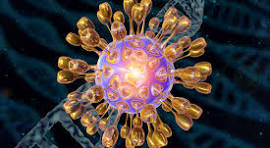
HFMD is caused by enteroviruses, mainly:

  • Coxsackievirus A16

  • Enterovirus 71 (EV71)

  • Coxsackievirus A6

These viruses target the mucous membranes, skin and immune system, leading to fever, mouth ulcers and rashes.

Pathophysiology of HFMD

Understanding the pathophysiology helps explain why symptoms appear the way they do.

1. Entry into the Body

The virus enters through:

  • Nose

  • Throat

  • Mouth

  • Digestive tract

It attaches to epithelial cells and begins multiplying.

2. Viral Replication in the Throat & Intestines

Once inside, the virus replicates in:

  • Oropharynx

  • Lymph nodes

  • Small intestine (Peyer’s patches)

This triggers early symptoms like fever and sore throat.

3. Viremia (Virus Entering the Bloodstream)

Around 48–72 hours after infection:

  • The virus enters the bloodstream

  • Spreads to distant tissues such as skin and oral mucosa

This stage causes:

  • Fever

  • Fatigue

  • Reduced appetite

4. Attack on Skin & Mucous Membranes

The virus specifically targets:

  • Skin of palms and soles

  • Oral mucosa

  • Buttocks and elbows

The immune response in these areas causes:

  • Red spots

  • Ulcers

  • Vesicles (fluid-filled blisters)

Oral ulcers are painful because:

  • The virus destroys epithelial cells

  • Immune cells release inflammatory chemicals

  • Nerve endings become exposed

5. Immune System Response

The body begins producing antibodies to fight the virus.
This leads to gradual healing over 7–10 days.

6. Why Skin Peels After Recovery

After the rash heals, the dead skin layers shed naturally.
This is not dangerous and resolves on its own in 1–3 weeks.

7. Reason for Recurrence

HFMD can occur again because:

  • Different strains cause infection

  • Immunity is strain-specific

  • Not all enteroviruses are covered after one infection

How HFMD Spreads

The virus spreads through:

  • Saliva, mucus, sputum

  • Fluid from blisters

  • Contaminated surfaces

  • Stool of infected children

  • Close contact (hugging, playing, sharing toys)

HFMD is most contagious during the first week.

Symptoms of HFMD

Early Symptoms

  • Fever

  • Sore throat

  • Irritability

  • Tiredness

  • Loss of appetite

Specific Symptoms

Painful mouth ulcers

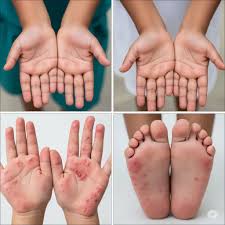
Rash on hands, feet, buttocks and legs

Blisters that may burst

Skin peeling after recovery

Diagnosis

Usually based on:

  • Visual examination

  • Symptom pattern

  • Exposure history

Blood tests are rarely needed.

Conventional Treatment

Since HFMD is viral, there is no specific antiviral.
Treatment focuses on:

  • Hydration

  • Fever control

  • Pain relief

  • Mouth ulcer care

Homeopathic Treatment for HFMD

Homeopathy helps reduce:

  • Fever

  • Oral ulcer pain

  • Rash inflammation

  • Irritability

  • Loss of appetite

  • Recovery time

Commonly used remedies (selected based on symptoms):

  • Merc Sol

  • Borax

  • Rhus Tox

  • Belladonna

  • Arsenicum Album

  • Antimonium Crudum

Homeopathic treatment also strengthens immunity, reducing recurrence.

Home Care Tips

  • Keep the child hydrated

  • Give soft, cold foods

  • Avoid spicy or acidic foods

  • Maintain hygiene

  • Do not scratch rashes

  • Keep nails short

  • Allow rest

Prevention

  • Frequent handwashing

  • Sanitising toys and surfaces

  • Avoiding sharing utensils and bottles

  • Keeping sick children at home

  • Teaching hygiene habits

When to Seek Urgent Care

  • High fever for more than 3 days

  • Dehydration

  • Child not eating or drinking

  • Drowsiness

  • Persistent vomiting

  • Worsening rash

Conclusion

HFMD is a common childhood viral infection that recovers naturally but causes significant discomfort. Homeopathy greatly helps by reducing pain, speeding healing and boosting immunity.

Call-To-Action

If your child is showing symptoms of Hand, Foot and Mouth Disease or if you need personalised guidance, book an appointment with Dr. Jyoti Kadkol (24 years of experience) at Health Global Homoeopathy Clinic, Vijayanagar, Bangalore.
Call 9035971275

Homeopathy For Wrist Drop

Wrist Drop: Causes, Symptoms, Conventional Treatment & Homeopathic Approach with Case Studies

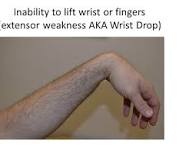
Wrist drop (also called radial nerve palsy) is a condition in which a person is unable to extend the wrist and fingers at the knuckles. This leads to a characteristic “floppy wrist” appearance. It occurs due to injury or dysfunction of the radial nerve, which controls the muscles responsible for wrist and finger extension.

Wrist drop can result from trauma, nerve compression, or systemic conditions. Common causes include:

  • Radial nerve injury: fracture of the humerus, direct trauma to the arm

  • Compression neuropathy: prolonged pressure on the upper arm (“Saturday night palsy”)

  • Lead poisoning (rare)

  • Neurological disorders: stroke, peripheral neuropathy

  • Iatrogenic causes: post-surgical complications or injection injuries

Pathophysiology

  • Damage to the radial nerve disrupts the motor signals to the wrist and finger extensors.

  • Depending on the site of injury:

    • Upper arm injuries: may also affect elbow extension

    • Forearm injuries: usually spare elbow extension

  • Muscle atrophy and weakness occur if untreated, leading to functional disability.

Symptoms

  • Inability to extend wrist and fingers

  • Weak grip strength

  • Drooping of the wrist (hence “wrist drop”)

  • Numbness or tingling on the back of the hand or forearm

  • Pain or discomfort along the radial nerve distribution (sometimes)

Investigations

  • Clinical examination: muscle strength, reflexes, sensory testing

  • Electromyography (EMG) & Nerve conduction studies (NCS) – to locate and assess nerve injury

  • X-ray / MRI – if trauma or fracture is suspected

  • Blood tests – if metabolic or toxic causes are suspected (lead, diabetes, B12 deficiency)

Conventional Treatment

  • Rest and splinting of wrist to prevent contractures

  • Physical therapy / Occupational therapy – to maintain mobility and strength

  • Medications: analgesics, anti-inflammatory drugs for pain

  • Surgical intervention: for severe nerve injuries or entrapment

  • Addressing underlying cause: fracture repair, toxin removal, metabolic correction

Homeopathic Approach

Homeopathy works individually based on the patient’s symptoms, constitution, and causative factors. Treatment focuses on:

  • Promoting nerve regeneration and functional recovery

  • Reducing pain, tingling, and weakness

  • Supporting overall health and immunity

Common Homeopathic Remedies for Wrist Drop

  • Hypericum perforatum – nerve injury / trauma

  • Causticum – partial paralysis, muscle weakness

  • Plumbum metallicum – wrist drop due to lead poisoning

  • Kali Phos / Zincum metallicum – nerve degeneration or weakness

Case Studies

Case 1:

  • Patient: 32-year-old male, humerus fracture after bike accident

  • Symptoms: Wrist drop on right side, inability to extend fingers

  • Homeopathic treatment: Hypericum 30C, physiotherapy

  • Outcome: Significant improvement in 6 weeks, full recovery in 3 months

Case 2:

  • Patient: 45-year-old office worker, wrist drop after prolonged arm compression (sleeping on arm)

  • Symptoms: Pain, numbness, weakness

  • Homeopathic treatment: Causticum 200C weekly, exercises

  • Outcome: Functional improvement within 4–6 weeks, complete recovery in 2 months

Case 3:

  • Patient: 50-year-old male, wrist drop due to lead exposure (occupational)

  • Symptoms: Weak grip, numbness, tremors

  • Homeopathic treatment: Plumbum metallicum 30C + lifestyle advice

  • Outcome: Gradual nerve recovery and symptom relief over 3 months

.

Call to Action

If you or your loved one is experiencing wrist drop or weakness in the hand, it is important to seek professional evaluation early.
I, Dr. Jyoti Kadkol, with 23 years of experience in homeopathy, can provide a personalized treatment plan for nerve recovery and functional improvement.Book Your Consultation today.call 9035971275

Homeopathy for Hydrosalpingitis

Introduction to Hydrosalpinx

Hydrosalpingitis, commonly called Hydrosalpinx, is a condition where the fallopian tubes become inflamed and filled with fluid, leading to infertility and pelvic pain. Many women in Bangalore are now choosing homeopathy treatment for hydrosalpingitis because it offers a gentle, non-surgical, and side-effect-free solution.

At Health Global Homoeopathy Clinic, Vijayanagar, Dr. Jyoti Kadkol, a highly experienced homeopathic practitioner with 23 years of expertise, has successfully treated numerous women suffering from chronic tube blockages and reproductive infections.

Causes of Hydrosalpingitis

  • Pelvic Inflammatory Disease (PID)

  • Untreated infections like chlamydia or gonorrhea

  • Endometriosis causing scarring and adhesions

  • Post-surgical complications (after C-section or tubal surgery)

  • Repeated miscarriages or abortions

  • Chronic pelvic inflammation

Symptoms

  • Pelvic or lower abdominal pain

  • Vaginal discharge (offensive or discolored)

  • Pain during intercourse (dyspareunia)

  • Irregular menstrual cycles

  • Difficulty conceiving (infertility)

  • Occasionally, fever or malaise

Investigations

To confirm hydrosalpingitis, the following diagnostic tests are commonly used:

  • Ultrasound (Pelvic Scan) – detects fluid in fallopian tubes

  • HSG (Hysterosalpingography) – checks tubal blockage

  • Laparoscopy – to visualize and assess tube condition

  • Blood tests – to detect infections and inflammation

Pathophysiology of Hydrosalpingitis

Hydrosalpingitis is the inflammation and fluid accumulation in the fallopian tubes, usually resulting from chronic infection. The fallopian tubes are delicate structures that transport the egg from the ovary to the uterus. When an infection  commonly due to pelvic inflammatory disease (PID) or sexually transmitted infections (like Chlamydia trachomatis or Neisseria gonorrhoeae) affects the tubes, it damages the inner lining (mucosa).

As a result, the normal ciliary movement that pushes the egg forward is disturbed. The ends of the fallopian tubes may get blocked or sealed, trapping inflammatory fluid inside. Over time, this leads to distention of the tube with serous fluid, forming a hydrosalpinx. Chronic inflammation also causes scarring, adhesions, and sometimes infection of surrounding pelvic tissues.

This disruption not only causes pain and pelvic inflammation but can also interfere with fertility, as the blocked tube prevents sperm from meeting the egg or the fertilized egg from reaching the uterus.

Conventional Treatment

Conventional medicine often recommends:

  • Antibiotics to control infection

  • Pain relief medications

  • Surgical options (laparoscopic drainage or tube removal in severe cases)
    However, these methods often do not prevent recurrence, and surgical removal of the tubes can affect fertility permanently.

Scope of Homeopathy in Hydrosalpingitis

Homeopathy focuses on treating the root cause — chronic inflammation, infection, and immune imbalance — while preserving the tubes naturally.
At Health Global Homoeopathy Clinic, Dr. Jyoti Kadkol has seen excellent results using individualized remedies that:

  • Reduce inflammation and pelvic pain

  • Clear tubal fluid accumulation

  • Enhance reproductive health and fertility

  • Prevent recurrence through immune regulation

Homeopathic treatment is safe, non-invasive, and holistic, making it ideal for women planning natural conception or IVF support.

Common Homeopathic Medicines for Hydrosalpingitis

(Note: Medicines should always be prescribed after detailed consultation.)

  Apis Mellifica – For burning, stinging pain, and fluid accumulation.

  Sepia – For chronic pelvic congestion, irregular menses, and hormonal imbalance.

  Pulsatilla – For blocked tubes with thick discharge, worse before periods.

Lachesis – For left-sided inflammation and pain, with congestion.

Belladonna – For acute pelvic pain with high sensitivity and fever.

Why Choose Dr. Jyoti Kadkol for Homeopathy Treatment in Bangalore

With 23 years of clinical expertise, Dr. Jyoti Kadkol has helped hundreds of women recover from hydrosalpingitis and conceive naturally.
At Health Global Homoeopathy Clinic, she combines classical homeopathy, modern diagnostic interpretation, and personalized care for each woman’s unique hormonal and emotional pattern.

 Locations: Vijayanagar, Whitefield & Indiranagar, Bangalore
 Website: www.healthglobalclinics.com
 Contact: 9035971275

Call to Action

“Book Your Online Homeopathy Consultation Today”
Experience natural, safe, and effective homeopathy treatment for hydrosalpingitis with Dr. Jyoti Kadkol, the number 1 homeopathy doctor in Bangalore.

Homeopathy for Herpes Simplex Virus, HSV

Introduction

Herpes Simplex Virus (HSV) is one of the most common viral infections worldwide, yet it carries unnecessary fear and stigma. Many patients hesitate to talk about it whether it appears as cold sores on the lips (HSV-1) or as genital herpes (HSV-2). As a practicing homeopathic physician with over two decades of experience, I have seen how much this condition affects not just the body but also the mind, confidence, and relationships.

 With the right guidance, lifestyle support, and individualized homeopathic treatment, it is possible to reduce the frequency of outbreaks, strengthen immunity, and improve quality of life.

What is HSV?

Herpes simplex virus is of two types:

  • HSV-1: Often causes oral herpes (cold sores, fever blisters), but it can also affect the genital area through oral contact.

  • HSV-2: Mainly causes genital herpes but can also affect the mouth.

Once the virus enters the body, it remains dormant in nerve cells and may reactivate from time to time, causing painful blisters, itching, or burning.

Symptoms to Watch For

  • Painful blisters or ulcers around lips or genitals

  • Burning, tingling, or itching before lesions appear (prodrome)

  • Fever, body ache, and swollen glands during the first episode

  • Recurrent sores triggered by stress, low immunity, menstruation, or illness

Many people remain asymptomatic yet still transmit the infection.

Conventional Treatment vs. Homeopathic Approach

Conventional medicine manages HSV with antivirals such as acyclovir, which temporarily reduce symptoms but cannot cure or prevent recurrences fully.

Homeopathy offers a deeper, holistic approach

  • Remedies are selected based on your individual constitution, mental state, and physical symptoms.

  • The aim is not just to control outbreaks but also to improve immunity, reduce recurrences, and heal the emotional burden of the disease.

  • Over time, patients report fewer attacks, milder intensity, and better resilience against triggers.

Case Snapshots from My Clinic

  • A 29-year-old woman with recurrent cold sores every month before her periods improved significantly with Natrum muriaticum; her frequency reduced to once in 6 months within a year of treatment.

  • A 34-year-old man with painful genital herpes outbreaks, aggravated by stress at work, responded well to Mercurius solubilis; his stress levels reduced, and his recurrences became minimal.

  • A young college student with emotional distress and shame due to HSV received Staphysagria, which not only improved his physical symptoms but also his confidence.

Living with HSV — Practical Tips

  • Avoid intimate contact during active outbreaks.

  • Manage stress through meditation, yoga, or deep breathing.

  • Sleep well and eat a balanced diet to support immunity.

  • Keep communication open with partners — honesty reduces stigma and fear.

Why Choose Homeopathy for HSV?

  • Safe and natural medicines without long-term side effects.

  • Focus on both physical and emotional healing.

  • Individualized care tailored to your triggers, constitution, and life history.

  • Gentle yet effective — suitable for all age groups. for hsv infection

Conclusion & Call to Action

HSV may be common, but it does not have to control your life. With homeopathy, you can experience fewer outbreaks, stronger immunity, and improved confidence in your personal and social life.

If you or a loved one are struggling with herpes simplex virus, I am here to help. Over the past 24 years, I have successfully guided many patients through their healing journey.

📞 Contact Health Global Homoeopathy Clinic today for a confidential consultation. Together, we can find a personalized treatment plan that brings lasting relief and peace of mind.

Homeopathy For Meralgia Paresthetica

Meralgia Paresthetica – A Nerve Compression Condition

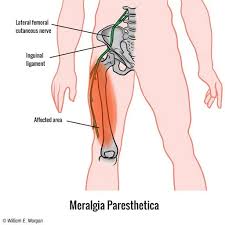
Meralgia paresthetica is a neurological condition caused by compression or entrapment of the lateral femoral cutaneous nerve (LFCN), leading to pain, burning, tingling, and numbness in the outer thigh. It is a purely sensory condition, with no muscle weakness.

Causes / Risk Factors

  • Mechanical compression of LFCN: tight belts, corsets, tight clothing, obesity.

  • Pregnancy (pelvic expansion, weight gain).

  • Trauma: pelvic fractures, surgery, scar tissue.

  • Diabetes mellitus (neuropathy, metabolic changes).

  • Lumbar spine pathology (rare, but L2–L3 radiculopathy may mimic).

  • Occupational strain: prolonged standing, walking, or squatting.

  • Mass lesions: retroperitoneal tumors, hematoma, hernias.

Pathophysiology

  • LFCN originates from L2–L3 nerve roots, passes under/through the inguinal ligament near the anterior superior iliac spine (ASIS).

  • Any pressure, stretching, or entrapment at this site leads to ischemia and demyelination of the nerve.

  • This results in paresthesia, dysesthesia, and burning pain localized to the anterolateral thigh.

Symptoms

  • Pain, tingling, burning, numbness over outer/anterolateral thigh.

  • Worse with standing, walking, hip extension; better with sitting, hip flexion, loosening belts/clothes.

  • Symptoms are unilateral in most cases.

  • No motor weakness or reflex changes.

Complications

  • Chronic neuropathic pain.

  • Persistent numbness, sensory loss.

  • Psychological distress (sleep disturbance, anxiety, depression).

  • Misdiagnosis leading to unnecessary spinal surgery.

Differential Diagnosis

  • Lumbar radiculopathy (L2–L3).

  • Trochanteric bursitis.

  • Femoral neuropathy.

  • Hip joint pathology (osteoarthritis, avascular necrosis).

  • Diabetic neuropathy.

  • Peripheral vascular disease.

Allopathic Management

  • Lifestyle modification: loose clothing, weight reduction, avoid tight belts.

  • Medications:

    • NSAIDs (for pain).

    • Neuropathic pain modulators: gabapentin, pregabalin, duloxetine.

    • Local corticosteroid + anesthetic injection around LFCN.

  • Physiotherapy: stretching, posture correction, avoiding aggravating positions.

  • Surgery (rare): decompression or neurectomy if conservative treatment fails.

Homeopathic Management

Homeopathy aims at nerve healing, pain relief, and constitutional balance. Remedies are selected based on the patient’s physical, mental, and general symptoms.

Commonly Indicated Remedies

  • These are remedies for Homeopathy For Meralgia Paresthetica

  • Colocynthis – Neuralgic pains, better by bending double or pressure, often left-sided sciatica-like pain.

  • Gnaphalium – Numbness with sciatic or nerve pain, alternating with pain.

  • Hypericum perforatum – Shooting nerve pains after compression or trauma; tingling and burning.

  • Magnesium phosphoricum – Cramping, tearing neuralgia, better by warmth and pressure.

  • Phosphorus – Burning pains, oversensitivity, nerve inflammation; helpful in chronic diabetic cases.

  • Arsenicum album – Burning pain, worse at night, restless, anxious state.

  • Plumbum metallicum – Neuralgic pains with numbness and tingling, especially in thighs.

Conclusion

Meralgia paresthetica is often mistaken for back pain or sciatica, but correct diagnosis is essential. Allopathic treatment focuses on relieving compression and pain, while homeopathy offers a holistic approach, especially for chronic and recurring cases, by addressing nerve sensitivity, metabolic factors (like diabetes, obesity), and constitutional tendencies.Homeopathy For Meralgia Paresthetica remedies kindly please do not self medicate, please do consult your nearest doctor.

Homeopathy For ADHD

Definition of ADHD

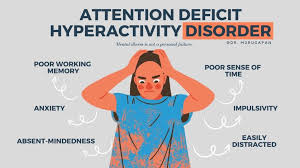
ADHD (Attention-Deficit/Hyperactivity Disorder) is a neurodevelopmental disorder characterized by persistent patterns of inattention, hyperactivity, and impulsivity that interfere with functioning or development.

It typically begins in childhood but may persist into adolescence and adulthood. ADHD is not a behavioral problem alone—it’s a disorder related to brain functioning and self-regulation.

Types of ADHD (DSM-5 Classification)

  • Predominantly Inattentive Type
    Difficulty sustaining attention, forgetfulness, disorganization, daydreaming.

  • Predominantly Hyperactive-Impulsive Type
    Restlessness, fidgeting, difficulty waiting turns, impulsive behavior.

  • Combined Type
    Features both inattention and hyperactivity-impulsivity.

Causes of ADHD

ADHD has a multifactorial origin, including genetic, neurological, environmental, and psychosocial factors.

A. Genetic Causes

  • Strong hereditary basis; 70–80% heritability.

  • Genes involved: Dopamine transporter (DAT1), D4 receptor gene (DRD4).

B. Neurobiological Factors

  • Reduced dopamine and norepinephrine transmission in certain brain areas.

  • Smaller brain volume in frontal cortex, basal ganglia, and cerebellum.

C. Perinatal & Early Life Risks

  • Premature birth

  • Low birth weight

  • Prenatal exposure to smoking, alcohol, drugs

  • Birth trauma

D. Environmental Triggers

  • Early childhood trauma or abuse

  • Exposure to lead

  • Excessive screen time

  • Poor parenting or unstable home environments may exacerbate symptoms but don’t cause ADHD.

Pathophysiology (Deep Dive)

ADHD involves dysfunction in the fronto-striatal-cerebellar circuits and imbalances in neurotransmitter systems, particularly:

🔬 Frontal Cortex (Prefrontal Cortex)

  • Controls attention, planning, decision-making.

  • In ADHD: underactivation → poor impulse control, distractibility.

🧠 Basal Ganglia

  • Responsible for motor activity and habit formation.

  • In ADHD: irregularity leads to hyperactivity and impulsivity.

🧪 Neurotransmitters

  • Dopamine deficiency: affects reward system, causing lack of motivation and poor attention span.

  • Norepinephrine: impacts alertness and mental energy.

🌀 Default Mode Network (DMN) Dysregulation

  • ADHD patients show abnormal deactivation of DMN when trying to focus, leading to lapses in attention.

Symptoms Checklist (by Age)

Children:

  • Fidgeting, squirming

  • Easily distracted

  • Doesn’t follow instructions

  • Poor academic performance

  • Impulsive actions

Adults:

  • Poor time management

  • Chronic disorganization

  • Relationship difficulties

  • Mood swings

  • Anxiety or depression

Comorbid Conditions

  • Learning disabilities

  • Anxiety & depression

  • Oppositional defiant disorder (ODD)

  • Autism spectrum disorder (ASD)

  • Sleep disorders

Diagnosis

  • Clinical history, parental/teacher feedback

  • Standardized tools: Vanderbilt, Conners Scale

  • No single test can diagnose ADHD

Homeopathic Approach to ADHD

A. Holistic Individualization

  • Each child/adult is different. Focus is on personality, triggers, and constitutional remedy.

  • Aims at balancing neurotransmission and calming overactive nervous system.

B. Commonly Used Remedies

  • Tarentula hispanica: hyperactive, fast, restless, impulsive

  • Stramonium: fears, aggression, sensitive to light/noise

  • Veratrum album: extreme restlessness and mental hyperactivity

  • Hyoscyamus: impulsive, talkative, inappropriate behavior

  • Tuberculinum: obstinate, needs constant change

  • Cina: irritable, touchy, often used in children.Do not self medicate Homeopathy For ADHD medicines

Therapies That Help Alongside Homeopathy

  • Parental counseling

  • Behavioral therapy

  • Sensory integration therapy (for kids)

  • Diet correction (avoid artificial colors, sugar, gluten/dairy if sensitive)

  • Yoga & mindfulness

  • Homeopathy For ADHD medicines has to be done with the therapies for better results

Conclusion

ADHD is not a disease—it’s a difference in brain functioning. With early intervention, lifestyle correction, and holistic therapies like homeopathy, many patients experience better focus, emotional stability, and improved social functioning.Homeopathy For ADHD medicines not to be self medicated.

Homeopathic Treatment For Adenomyosis

What is Adenomyosis?

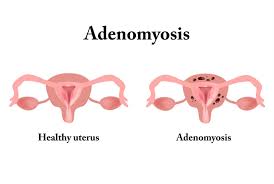
Adenomyosis is a condition where the inner lining of the uterus (endometrium) breaks through the muscle wall of the uterus (myometrium). It causes the uterus to become enlarged and leads to painful, heavy periods and pelvic discomfort.

Causes and Risk Factors:

  • Hormonal imbalance (estrogen dominance)

  • Multiple pregnancies or C-sections

  • Uterine surgeries (D&C, fibroid removal)

  • Age group: most common in women aged 35–50

  • Endometriosis or fibroids

Pathophysiology:

The exact mechanism isn’t fully understood, but:

  • Endometrial tissue invades the myometrium

  • During menstruation, this tissue behaves like normal endometrium — thickens, breaks down, and bleeds

  • Trapped blood leads to swelling, pain, and heavy bleeding

Symptoms of Adenomyosis:

  • Heavy menstrual bleeding (menorrhagia)

  • Painful periods (dysmenorrhea)

  • Pelvic pain or pressure

  • Bloating or uterine fullness

  • Painful intercourse (dyspareunia)

  • Spotting before periods

  • Fatigue or anemia due to blood loss

Investigations & Diagnosis

  • Ultrasound (TVS): May show enlarged uterus or heterogenous myometrium

  • MRI pelvis: More accurate for diagnosis

  • CBC: To check for anemia

  • Hormonal profile

  • Rule out fibroids, endometriosis, and polyps

Homeopathic Approach to Adenomyosis:

Homeopathy focuses on individualized holistic treatment(Homeopathic Treatment For Adenomyosis). It considers:

  • Pain modality and intensity

  • Menstrual cycle pattern

  • Emotional and hormonal health

  • Co-existing conditions (e.g., fibroids, thyroid disorders, infertility)

Commonly Used Homeopathic Remedies:

  1. Sepia 200 / 1M: For bearing down sensation, irritability, aversion to family, painful intercourse, and dragging pelvic pain.

  2. Murex 200: Deep pelvic pain, worse during ovulation and intercourse, sexual hypersensitivity.

  3. Pulsatilla 200: Mild, weepy disposition, delayed or scanty menses, uterine fullness.

  4. Fraxinus Americana Q: Useful for uterine fibroids or adenomyosis with heavy bleeding.

  5. Sabina 30 / 200: Bright red clotted bleeding, worse from movement.

  6. Calcarea Carb 200: Heavy bleeding, easy fatigue, weight gain, craving for indigestibles.

  7. Thlaspi Bursa Pastoris Q: For metrorrhagia and repeated bleeding.these are the medicines for Homeopathic Treatment For Adenomyosis

Case Study 1

Patient: Mrs. S, 38 years, Bangalore
Symptoms: Severe right-sided lower abdominal pain radiating to iliac fossa, cycles every 22 days, heavy flow, spotting before menses, USG showed adenomyosis at the fundus.
Prescription: Sepia 200 weekly + Thlaspi Bursa Q TID
Result: Pain reduced in 1 month, bleeding normalized by 3rd cycle, no NSAIDs needed. Follow-up after 6 months shows regular cycle and improved hemoglobin.

Case Study 2:

Patient: Miss R, 45 years, teacher, history of C-section
Symptoms: Uterine heaviness, painful menses, early fatigue, poor sleep, emotional suppression.
Prescription: Murex 200, followed by Calcarea Carb 200
Outcome: Marked improvement in energy, menstrual pain reduced within 3 months, uterus size stable on repeat scan.

Case Study 3

Patient: Mrs. L, 41 years, diabetic, obese
Symptoms: Profuse bleeding with large clots, irritability, craving eggs, anxious personality
Treatment: Sabina 200, Calcarea Fluor 6X, Fraxinus Americana Q
Results: Bleeding reduced within 2 cycles, uterine size reduced, Hb improved without iron supplements

Lifestyle Advice for Better Healing

  • Iron-rich diet to improve anemia

  • Gentle yoga and pranayama

  • Avoid xenoestrogens (plastics, processed food)

  • Manage stress with affirmations and meditation

Why Choose Homeopathy at Health Global Homoeopathy Clinic?

With over 23 years of experience, Dr. Jyoti Kadkol has successfully treated numerous cases of adenomyosis, fibroids, and menstrual irregularities using holistic and gentle homeopathic care.

Conclusion

Adenomyosis can deeply affect quality of life — but with individualized homeopathic care, relief is not only possible, it is sustainable. Early diagnosis and consistent treatment can prevent complications and surgery.

Cancer Homeopathy Treatment: Natural Support for Healing and Recovery

What is Cancer?

Cancer is a disease where cells in the body grow uncontrollably and form abnormal masses called tumors. These cells invade nearby tissues and can spread (metastasize) to other parts of the body. Unlike healthy cells, cancer cells do not stop growing or die when they should.

There are over 100 types of cancer, with common forms including breast, lung, oral, cervical, colorectal, and blood cancers like leukemia.

How Common is Cancer in India?

Cancer cases are rising rapidly in India. According to the Indian Council of Medical Research (ICMR):

  • Over 1.4 million new cases are diagnosed annually.

  • One in nine Indians is likely to develop cancer in their lifetime.

  • By 2030, this number may increase to 1.57 million new cases yearly.

  • Most affected states include Uttar Pradesh, Maharashtra, Bihar, West Bengal, and Karnataka.

Causes of Cancer

Cancer develops due to a combination of genetic, lifestyle, and environmental factors:

  • Tobacco use and smoking (responsible for 30–40% of Indian cancers)

  • Excessive alcohol consumption

  • Unhealthy diet, obesity, and lack of physical activity

  • Exposure to pollutants, chemicals, and radiation

  • Infections like HPV and hepatitis viruses

  • Chronic inflammation

  • Genetic predisposition and family history

  • Mental and emotional stress affecting immunity

Pathology and Pathogenesis of Cancer

Cancer begins with genetic mutations that cause cells to lose control over growth and death:

  • DNA mutations accumulate due to various factors.

  • Cells evade apoptosis (programmed cell death) and keep dividing.

  • Uncontrolled cell growth leads to tumor formation.

  • Tumors stimulate angiogenesis (new blood vessels) to nourish themselves.

  • Malignant tumors invade nearby tissues and metastasize to distant organs.

Symptoms of Cancer

Common symptoms include:

  • Unexplained weight loss

  • Persistent fatigue

  • Lumps or swelling

  • Changes in bowel or bladder habits

  • Unexplained bleeding

  • Non-healing sores

  • Persistent cough or difficulty swallowing

  • Skin changes

Stages of Cancer

Cancer is classified into stages based on its spread:

  • Stage 0: Abnormal cells confined to one area (pre-cancer).

  • Stage I: Small tumor, localized without lymph node involvement.

  • Stage II: Larger tumor, possible spread to nearby lymph nodes.

  • Stage III: Extensive local spread including lymph nodes but no distant metastasis.

  • Stage IV: Cancer has spread to distant organs (metastatic).

.

Conventional Cancer Treatments

Typical treatments include surgery, chemotherapy, radiation, targeted therapy, and immunotherapy. These can be effective but often come with side effects like nausea, hair loss, weakness, and emotional distress.

.

How Can Homeopathy Help?

Homeopathy supports the body’s natural healing processes safely and gently:

  • Reduces side effects of conventional treatment (nausea, fatigue, ulcers)

  • Enhances immunity and energy

  • Controls pain and improves appetite

  • Supports emotional and mental well-being

  • Aids recovery post-surgery

  • Improves quality of life

Case Studies: Homeopathy in Cancer Support

1. Mouth Cancer

Patient: Mr. R.K., 58 years old, smoker and tobacco chewer
Diagnosis: Squamous cell carcinoma of the tongue (Stage II)
Symptoms: Painful ulcer on tongue, difficulty eating, swollen lymph nodes, weight loss

Homeopathic Remedies: Arsenicum album, Phosphorus, Mercurius solubilis

Outcome: Reduced pain and inflammation, better appetite, improved energy, tolerance to radiotherapy improved.


2. Uterine Cancer

Patient: Mrs. S.M., 62 years old, postmenopausal
Diagnosis: Endometrial carcinoma (Stage I)
Symptoms: Irregular bleeding, pelvic pain, fatigue, anxiety

Homeopathic Remedies: Conium maculatum, Sepia, Calcarea carbonica

Outcome: Faster recovery post-surgery, reduced emotional stress, regained strength and normal function.


3. Colon Cancer

Patient: Mr. D.P., 52 years old
Diagnosis: Adenocarcinoma of colon (Stage III)
Symptoms: Changes in bowel habits, blood in stools, cramps, weight loss, weakness

Homeopathic Remedies: Arsenicum album, Carcinosin, Nux vomica

Outcome: Managed nausea and vomiting during chemotherapy, maintained appetite and energy, improved sleep and reduced anxiety.

Why Choose Health Global Homoeopathy Clinic?

  • 23+ years of experience treating chronic diseases

  • Led by Dr. Jyoti Kadkol, expert in homeopathic cancer support

  • Personalized treatment plans for each patient

  • Safe, natural remedies for all ages

  • Located in Vijayanagar, Bangalore, serving patients nationwide and globally

Conclusion

Cancer is a challenging journey but healing and improved quality of life are possible. Homeopathy offers compassionate, natural support tailored to your unique needs.

At Health Global Homoeopathy, we believe in treating the person, not just the disease — walking with you every step toward healing.

If you or your loved one is facing cancer, seek holistic, supportive care that complements your treatment.

Health Global Homoeopathy Clinic
📍 Vijayanagar, Bangalore
📞 9035971275
🌐 www.healthglobalclinics.com