Homeopathy for Alopecia areata

Introduction

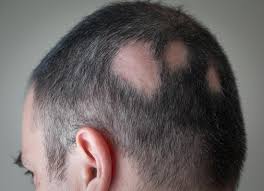
Alopecia areata is an autoimmune disorder characterized by sudden, patchy hair loss on the scalp and other body parts. It affects approximately 1-2% of the global population, including individuals in India.

Causes of Alopecia Areata

The exact cause remains unclear, but several factors are believed to contribute:

  • Autoimmune Dysfunction: The immune system mistakenly attacks hair follicles, leading to hair loss.

  • Genetic Predisposition: A family history of alopecia areata increases susceptibility.

  • Environmental Triggers: Stressful events, illnesses, or toxins may initiate the condition

  • Hormonal Changes: Fluctuations during puberty, pregnancy, or menopause can trigger hair loss

  • Inflammatory Conditions: Skin disorders like eczema or psoriasis may elevate the risk.

Types of Alopecia Areata

  • Alopecia Areata Monolocularis: Hair loss occurs in a single, isolated patch on the scalp or other regions.

  • Alopecia Areata Multilocularis: Multiple bald patches appear simultaneously across the scalp or body.

  • Ophiasis Pattern: Hair loss follows a band-like pattern along the sides and lower back of the scalp.

  • Sisaipho Pattern: The inverse of ophiasis, where hair loss affects the top of the scalp while sparing the sides and back.

  • Diffuse Alopecia Areata: Instead of distinct patches, there is a sudden and widespread thinning of hair across the scalp.

  • Alopecia Areata Barbae: Specifically affects the beard area, leading to patchy hair loss.

  • Alopecia Totalis: Complete loss of scalp hair 
  • Alopecia Universalis: Total hair loss across the scalp and body

Pathophysiology

Alopecia areata is caused by an autoimmune attack on hair follicles, disrupting their natural growth cycle. Hair follicles normally possess immune privilege, which protects them from immune system attacks. In alopecia areata, this privilege is lost, leading to inflammation and hair loss. T-cell lymphocytes accumulate around hair follicles, triggering immune-mediated damage. Genetic factors and environmental triggers such as infections and stress also contribute to the disease progression.

Serum IgE Levels and Alopecia Areata

Recent studies have explored the relationship between serum immunoglobulin E (IgE) levels and alopecia areata:

  • Elevated serum IgE levels have been observed in AA patients, with a higher incidence in severe and chronic cases.

  • Patients with diffuse AA show an increased prevalence of high IgE levels compared to healthy controls.

  • IgE elevation is linked to Th2-mediated immune responses, involving cytokines such as IL-4, IL-5, and IL-13.

  • Pediatric AA patients with atopic conditions often have higher IgE levels, early onset, and a poorer prognosis.

  • Understanding this link can help in developing targeted treatments for alopecia areata.

Symptoms

  • Sudden patchy hair loss

  • Itching or tingling sensation before hair loss

  • Brittle nails with ridges or pitting

  • Thinning of eyelashes and eyebrows (in severe cases)

Diagnostic Tests

  • Blood tests: To check for autoimmune markers and inflammation levels.

  • Thyroid function tests: To rule out thyroid-related hair loss.

  • Serum IgE levels: To assess immune system involvement.

  • Scalp biopsy: If needed for a definitive diagnosis.

  • Vitamin D Levels and vit b12 levels

Case Studies

  • A 25-year-old female with a history of stress-related alopecia areata showed significant improvement with individualized homeopathy treatment.

  • A 35-year-old male with chronic alopecia areata and high serum IgE levels responded well to a combination of homeopathy and lifestyle modifications

Emotional Impact

Alopecia areata can cause anxiety, depression, and social withdrawal. Psychological support and counseling play a crucial role in treatment.Looking for Best Hair doctor in bangalore, and councellor please consult at Health Global Homoeopathy.

Homeopathic Medicines for Alopecia Areata

Homeopathy offers safe and natural remedies to stimulate hair regrowth and modulate the immune response. Common remedies include:

  • Fluoricum Acidum: For rapid hair loss with brittle nails.

  • Phosphorus: For hair fall with dandruff and dry scalp.

  • Thuja Occidentalis: For hair loss linked to hormonal imbalance.

  • Natrum Muriaticum: For hair loss due to emotional stress.

  • Arsenicum Album: For patchy hair loss with itching.

Why Health Global Homeopathy?

At Health Global Homeopathy, we provide customized homeopathic treatments based on a patient’s individual constitution, lifestyle, and medical history. With 23 years of expertise, we have successfully treated numerous alopecia areata cases using a holistic approach that combines medicine, diet, and stress management.Looking for Best Hair doctor in bangalore. please consult at Health Global Homoeopathy.

Conclusion

Alopecia areata is a challenging condition, but with early intervention and homeopathic treatment, hair regrowth is possible. Understanding its autoimmune nature, managing triggers, and adopting holistic care can lead to successful outcomes.Looking for Best Hair doctor in bangalore. please consult at Health Global Homoeopathy.

Homeopathy for Kidney Stones

Introduction

Kidney stones are a common yet painful condition affecting millions worldwide. These hard mineral deposits form in the kidneys and can cause significant discomfort. Understanding their causes, symptoms, and treatment options can help in prevention and effective management.

What Are Kidney Stones?

Kidney stones are solid masses made of crystals, primarily composed of calcium, oxalate, and uric acid. They vary in size, from tiny grains to larger stones that may obstruct the urinary tract.

Pathophysiology of Kidney Stones

Kidney stone formation is a complex process that involves supersaturation, nucleation, growth, aggregation, and retention of crystals in the kidney. The key steps include:

  1. Supersaturation of Urine – When urine contains high concentrations of stone-forming substances like calcium, oxalate, or uric acid, they can crystallize.

  2. Nucleation – Small clusters of crystals begin to form in the kidney due to imbalances in urine composition.

  3. Crystal Growth and Aggregation – These tiny crystals accumulate additional minerals, increasing in size over time.

  4. Retention in the Kidney – Normally, urine flow flushes out small crystals. However, when crystals adhere to renal tubules or become too large, they persist and grow into kidney stones.

  5. Stone Passage or Obstruction – If the stone remains small, it may pass through the urinary tract without much discomfort. Larger stones can obstruct urine flow, leading to pain and potential complications like infection or kidney damage.

Types of Kidney Stones

  1. Calcium Stones – The most common type, usually made of calcium oxalate or calcium phosphate. Often linked to high oxalate intake from foods like spinach and nuts.

  2. Uric Acid Stones – Formed due to high uric acid levels in the urine, often seen in people with gout or those consuming excessive animal protein.

  3. Struvite Stones – Typically occur due to urinary tract infections (UTIs). They can grow quickly and become large, sometimes requiring surgical removal.

  4. Cystine Stones – A rare type caused by a genetic disorder (cystinuria) that leads to excessive cystine in the urine, resulting in stone formation.

Causes of Kidney Stones

  1. Dehydration – Insufficient water intake leads to concentrated urine, increasing the risk of stone formation.

  2. Dietary Factors – High consumption of salt, sugar, and oxalate-rich foods like spinach can contribute to stone formation.

  3. Genetics – A family history of kidney stones increases susceptibility.

  4. Medical Conditions – Conditions like obesity, urinary tract infections, and metabolic disorders can raise the risk.

Common Symptoms

  • Severe pain in the lower back or abdomen

  • Blood in urine

  • Frequent urination with discomfort

  • Nausea and vomiting

  • Fever and chills (if infection is present)

Treatment Options

  1. Hydration – Drinking plenty of water helps flush out smaller stones naturally.

  2. Medications – Pain relievers and medications that help dissolve stones or ease their passage.

  3. Shock Wave Lithotripsy (SWL) – A non-invasive procedure using sound waves to break stones into smaller pieces.

  4. Surgical Procedures – For larger stones, surgical intervention like ureteroscopy or percutaneous nephrolithotomy may be necessary.

Scope of Homeopathy in Kidney Stones

Homeopathy offers a natural and holistic approach to managing kidney stones by addressing the root cause and preventing recurrence. Some commonly used homeopathic remedies include:

  1. Berberis Vulgaris – Effective for sharp, radiating pain in the kidney region and burning sensation while urinating.

  2. Lycopodium Clavatum – Recommended for right-sided kidney stones and discomfort that worsens before urination.

  3. Cantharis – Useful for intense burning pain and frequent urges to urinate.

  4. Sarsaparilla – Helps in cases where stones pass with severe pain and blood in urine.

  5. Hydrangea Arborescens – Known for its ability to dissolve stones and prevent their recurrence.
    Homeopathic treatment is individualized, considering the patient’s symptoms, medical history, and constitution. It can be an effective complementary therapy, particularly for small kidney stones, reducing pain, inflammation, and promoting natural stone passage. However, for larger stones, surgical intervention may still be necessary.

Prevention Tips

  • Drink at least 8-10 glasses of water daily.

  • Reduce sodium and processed foods in your diet.

  • Maintain a balanced intake of calcium and oxalate-rich foods.

  • Stay physically active to prevent metabolic imbalances.

Why Choose Health Global Homeopathy for Kidney Stone Treatment?

Health Global Homeopathy, founded by Dr. Jyoti Kadkol, has over 23 years of experience in treating various chronic and acute conditions, including kidney stones. Our clinic offers:

  • Personalized Homeopathic Treatment tailored to individual symptoms and medical history.

  • Natural and Safe Remedies without side effects.

  • Holistic Healing Approach addressing the root cause and preventing recurrence.

  • Proven Success in managing kidney stones with homeopathy, reducing pain and improving kidney health.

  • Expert Consultation with an experienced homeopath for long-term relief and prevention.

Conclusion

Kidney stones can be painful but are largely preventable with proper hydration, diet, and lifestyle changes. If you experience symptoms, seeking timely medical advice is crucial to avoid complications. By adopting healthy habits, you can significantly reduce the risk of kidney stones and maintain overall kidney health.

If you’re looking for natural and effective treatment, Health Global Homeopathy is here to help. Contact us today for a consultation!


Homeopathic medicine for skin fungal infection

Introduction

Skin fungal infections are common yet often misunderstood conditions that can affect anyone. These infections occur due to an overgrowth of fungi in warm, moist environments. While conventional treatments rely on antifungal medications, homeopathy offers a holistic and natural approach to healing by addressing the root cause of the problem and boosting the body’s immunity. In this blog, we will explore the causes, symptoms, homeopathic treatment options, and real-life case studies to understand these infections better.

What Causes Skin Fungal Infections?

Fungal infections occur when fungi overgrow on the skin due to:

Warm and humid conditions – Common in hot and sweaty areas.

Weak immune system – People with diabetes or immunodeficiencies are more susceptible.

Poor hygiene – Sharing towels, clothes, or personal items increases risk.

Prolonged antibiotic use – This can disrupt the natural flora of the skin, allowing fungi to flourish.

Common Types of Skin Fungal Infections

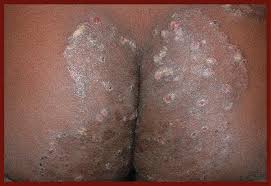
Ringworm (Tinea Corporis) – A red, ring-shaped rash with clear skin in the center.

Athlete’s Foot (Tinea Pedis) – Itching, peeling, and redness between toes.

Jock Itch (Tinea Cruris) – Red, itchy rash in the groin and inner thighs.

Yeast Infection (Candidiasis) – Common in skin folds, causing redness and itching.

Nail Fungus (Onychomycosis) – Thick, discolored nails that may crumble.


Symptoms to Watch For

Itching and irritation

Redness and inflammation

Scaling, cracking, or peeling skin

Blisters or pus-filled sores

Discolored or thickened nails

Homeopathic Treatment for Skin Fungal Infections

Homeopathy aims to strengthen the body’s natural defenses and provide long-lasting relief without side effects. Some effective homeopathic remedies include:

1. Graphites

Best for fungal infections with thick, cracked skin and oozing discharge.

Suitable for eczema-like fungal infections.

2. Thuja Occidentalis

Used for stubborn, recurrent fungal infections.

Works well for nail fungus and warty growths.

3. Sulphur

Ideal for intense itching, burning, and redness.

Helps patients with a history of chronic skin conditions.

4. Tellurium

Effective for ringworm infections with distinct circular lesions.

Useful when the infection spreads rapidly.

5. Sepia

Recommended for fungal infections in skin folds, particularly in women.

Works well for candida infections.Homeopathic medicine for skin fungal infection Do not self medicate

Case Studies

Case Study 1: Recurrent Athlete’s Foot in a Gym Enthusiast

Patient: 29-year-old male, fitness trainer.
Symptoms: Peeling skin between toes, intense itching, and foul odor.
Treatment: Prescribed Graphites 30C and advised proper foot hygiene.
Outcome: Condition improved within two weeks, and preventive measures helped prevent recurrence.

Case Study 2: Chronic Nail Fungus in a Diabetic Patient

Patient: 52-year-old female, diabetic for 10 years.
Symptoms: Thick, yellow nails with brittleness.
Treatment: Thuja Occidentalis 200C and regular nail care.
Outcome: Significant improvement in nail texture and color after three months.

Case Study 3: Jock Itch in an Office Worker

Patient: 35-year-old male, sedentary lifestyle, excessive sweating.
Symptoms: Red, itchy rash in the groin area.
Treatment: Sulphur 30C along with talcum powder to reduce moisture.
Outcome: Symptoms resolved in one month, with lifestyle changes to prevent recurrence.

Prevention and Lifestyle Tips

Keep skin dry and clean.

Wear breathable, cotton clothing.

Avoid tight clothing and synthetic fabrics.

Maintain a balanced diet to boost immunity.

Use antifungal powders in shoes and undergarments.

Avoid sharing personal items like towels and socks.

Conclusion

Homeopathy provides a safe and effective approach to treating skin fungal infections by enhancing the body’s natural healing process. At Health Global Homeopathy Clinic, led by Dr. Jyoti Kadkol, we specialize in holistic and individualized homeopathic treatment for various skin ailments. Our approach not only treats the infection but also strengthens your immune system to prevent recurrence.Homeopathic medicine for skin fungal infection do not self medicate

Why Choose Health Global Homeopathy?

Personalized treatment plans tailored to your condition.

Natural, side-effect-free remedies that promote overall well-being.

Experienced and trusted homeopathic care under Dr. Jyoti Kadkol.

Comprehensive support and guidance to prevent future infections.

Are you looking for a natural cure for skin fungal infections? Book a homeopathy consultation at Health Global Homeopathy Clinic today!

Endometriosis and the Scope of Homeopathy-Endometriosis treatment in homeopathy

Introduction

Endometriosis is a chronic, painful gynecological disorder affecting millions of women worldwide. Despite advances in conventional medicine, many patients continue to struggle with recurring symptoms and limited treatment options. Homeopathy, a holistic system of medicine, offers a promising alternative by addressing the root cause of the disease rather than merely suppressing symptoms. In this article, we will explore endometriosis in detail, covering its causes, symptoms, pathophysiology, and treatment approaches, including both allopathy and homeopathy.

What is Endometriosis?

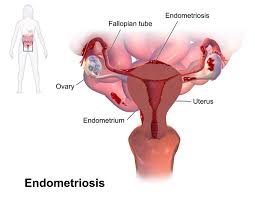
Endometriosis is a condition in which the tissue that normally lines the uterus (endometrium) grows outside the uterine cavity. This ectopic tissue behaves like normal endometrial tissue—it thickens, breaks down, and bleeds with each menstrual cycle. However, since it has no way to exit the body, it leads to inflammation, scarring, and severe pain.

Causes of Endometriosis

The exact cause of endometriosis remains unclear, but several factors contribute to its development:

1.Retrograde Menstruation – Menstrual blood containing endometrial cells flows backward through the fallopian tubes into the pelvic cavity instead of leaving the body.

2.Hormonal Imbalance – Estrogen dominance plays a key role in the abnormal growth of endometrial tissue.

3.Genetic Predisposition – A family history of endometriosis increases the risk.

4.Immune System Dysfunction – An impaired immune system may fail to eliminate misplaced endometrial tissue.

5.Environmental Toxins – Exposure to toxins like dioxins may contribute to hormonal imbalances and endometriosis.

6.Surgical Scars – Endometrial cells may attach to surgical scars from C-sections or other uterine surgeries.

Symptoms of Endometriosis

Endometriosis symptoms vary from mild to severe and can significantly impact a woman’s quality of life. Common symptoms include:

  • Pelvic Pain – Typically worsens during menstruation and may radiate to the lower back and legs.

  • Dysmenorrhea (Painful Periods) – Intense menstrual cramps that do not respond well to painkillers.

  • Dyspareunia (Pain During Intercourse) – Discomfort or deep pelvic pain during or after sexual intercourse.

  • Heavy Menstrual Bleeding – Excessive bleeding or spotting between periods.

  • Infertility – Endometriosis can cause scarring and blockages, leading to difficulty in conceiving.

  • Gastrointestinal Issues – Bloating, diarrhea, constipation, and nausea, especially around the menstrual cycle.

Pathophysiology of Endometriosis

Endometriosis occurs when endometrial-like tissue implants itself outside the uterus, commonly on the ovaries, fallopian tubes, peritoneum, or intestines. These lesions respond to hormonal changes by thickening and bleeding, causing inflammation, pain, and scar tissue formation (adhesions). Over time, this can lead to distorted pelvic anatomy and impaired reproductive function.

Allopathic Treatment Options

Conventional treatment focuses on symptom management and includes:

1.Pain Management: NSAIDs (Ibuprofen, Naproxen) to reduce inflammation and pain.

2.Hormonal Therapy:

    • Birth control pills to suppress ovulation.

    • Gonadotropin-releasing hormone (GnRH) agonists to reduce estrogen levels.

    • Progestins to thin endometrial tissue.3.

    • Surgical Intervention:

      • Laparoscopy to remove endometriotic lesions and adhesions.

      • Hysterectomy (removal of the uterus) in severe cases.

While these treatments provide temporary relief, they often come with side effects and do not address the underlying cause of the disease.

Homeopathic Approach to Endometriosis

Homeopathy treats endometriosis holistically by stimulating the body’s natural healing processes and balancing hormones. Homeopathic remedies are individualized based on the patient’s symptoms, constitution, and emotional state. Some commonly used remedies include:

1.Sepia – Useful for women with irregular, painful periods, a bearing-down sensation, and mood swings.

2,Pulsatilla – Indicated for hormonal imbalances, delayed or suppressed periods, and emotional sensitivity.

3,Lachesis – Recommended for severe left-sided ovarian pain, intolerance to tight clothing, and hot flashes.

4.Belladonna – Beneficial for sudden, sharp pelvic pain and inflammation.

5.Calcarea Carbonica – Suitable for women with heavy, prolonged periods, excessive fatigue, and cold intolerance.

6.Apis Mellifica – Effective for ovarian cysts, burning pain, and fluid retention.Do not self medicate Endometriosis treatment in homeopathy

Case Studies:

Case 1: A 30-year-old woman with severe dysmenorrhea and emotional instability was prescribed Pulsatilla. Within three months, her menstrual cycle became regular, and pain intensity reduced significantly.

Case 2: A 35-year-old woman struggling with infertility and endometriosis was treated with Sepia. After six months of treatment, she conceived naturally.

Conclusion: The Scope of Homeopathy in Endometriosis

Homeopathy offers a safe and effective alternative for managing endometriosis, particularly for those seeking natural healing without side effects. Unlike conventional medicine, which often focuses on symptomatic relief, homeopathy aims to correct hormonal imbalances, strengthen the immune system, and reduce inflammation, addressing the root cause of the disease.

For women looking for a long-term, non-invasive treatment approach, homeopathy can be a game-changer. Consulting a qualified homeopath for a personalized treatment plan can provide lasting relief and improve overall well-being.

If you or a loved one is struggling with endometriosis, consider exploring homeopathy as a complementary or primary treatment option. Holistic healing is possible with the right approach!

Back Pain Relief with Homeopathy – Natural & Effective Solutions

Introduction

Back pain is a prevalent issue affecting individuals of all ages, often leading to discomfort and hindrance in daily activities. While conventional treatments are available, many are turning to homeopathy for natural and holistic relief. This article delves into the causes of back pain and how homeopathic remedies can offer effective solutions.

Understanding causes of Back Pain

Back pain can stem from various factors, including:

  • Muscle Strain: Overexertion or sudden movements can lead to muscle injuries.
  • Poor Posture: Habitual slouching or improper alignment can cause chronic discomfort.
  • Herniated Discs: Displacement of spinal discs may press on nerves, resulting in pain.
  • Degenerative Conditions: Ailments like osteoarthritis can deteriorate spinal structures.

Why Opt for Homeopathy?

Homeopathy offers a personalized approach to treating back pain by considering the individual’s unique symptoms and overall constitution. This method aims to stimulate the body’s self-healing mechanisms, providing relief without the side effects often associated with conventional medications.

Effective Homeopathic Remedies for Back Pain

  • Arnica Montana: Ideal for soreness and bruised sensations, especially after physical trauma or overexertion.
  • Bryonia Alba: Beneficial when pain worsens with movement and improves with rest.
  • Rhus Toxicodendron: Suited for stiffness and pain that alleviates with continued movement.
  • Hypericum Perforatum: Recommended for sharp, shooting pains, particularly when nerve damage is involved.
  • Kali Carbonicum: Addresses lower back pain accompanied by weakness and a sense of collapse.Homeopathic medicine for back pain kindly do not self medicate

Benefits of Homeopathic Treatment

  • Holistic Approach: Treats the individual as a whole, addressing both physical and emotional aspects.
  • Minimal Side Effects: Utilizes natural substances in highly diluted forms, reducing the risk of adverse reactions.
  • Personalized Care: Remedies are selected based on the individual’s unique symptom profile.

Seeking Professional Homeopathic Care

At Health Global Homoeopathy clinic we specialize in providing individualized homeopathic treatments for back pain. Our experienced practitioners conduct comprehensive assessments to identify the root cause of your discomfort and develop a customized treatment plan. Embark on your journey to natural and effective back pain relief by scheduling a consultation with us today.Homeopathic medicine for back pain kindly do not self medicatef

Homeopathy for Irritable Bowel Syndrome (IBS): A Natural Approach to Gut Health

what is Irritable Bowel Syndrome ?

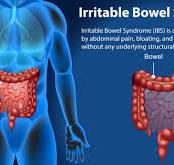
Irritable Bowel Syndrome (IBS) is a common digestive disorder that affects millions of people worldwide. It is characterized by symptoms like abdominal pain, bloating, diarrhea, and constipation. While conventional treatments often provide temporary relief, homeopathy offers a holistic and long-term approach to managing IBS by addressing the root cause of the problem.

Understanding Irritable Bowel Syndrome (IBS)

IBS is a functional gastrointestinal disorder that disrupts the normal functioning of the intestines. The exact cause of IBS is not well understood, but factors such as stress, poor diet, food intolerances, infections, and an imbalance in gut bacteria may contribute to its development.

Why Choose Homeopathy for IBS?

Homeopathy is a natural and effective way to manage IBS symptoms without causing side effects. Here are some reasons why homeopathy is a preferred choice:

1)Addresses the Root Cause – Unlike conventional treatments that mainly focus on symptom relief, homeopathy treats the underlying cause of IBS.

2)Personalized Treatment – Homeopathic remedies are presc2)ribed based on an individual’s unique symptoms, emotional state, and lifestyle.

3)Safe and Gentle – Homeopathic medicines are made from natural substances and are free from harmful chemicals, making them safe for long-term use.

4)Improves Gut Health – Homeopathic treatment works by restoring the balance of gut flora and improving digestion.

5)Reduces Stress and Anxiety – Emotional stress is a key trigger for IBS, and homeopathy helps in managing anxiety and stress-related symptoms effectively.

Common Homeopathic Remedies for IBS

Homeopathic remedies are selected based on a patient’s specific symptoms. Some commonly used remedies for IBS include:

  • Nux Vomica – Best suited for people who experience constipation, bloating, and indigestion, often aggravated by stress and unhealthy eating habits.

  • Lycopodium – Effective for bloating, gas, and symptoms that worsen in the evening.

  • Colocynthis – Recommended for IBS with severe cramping and abdominal pain, which improves with pressure.

  • Argentum Nitricum – Helps those with IBS triggered by anxiety, especially before important events.

  • Pulsatilla – Suitable for individuals with shifting symptoms of diarrhea and constipation, often influenced by emotional factors.

How Homeopathic Treatment Works for IBS


A homeopathic doctor takes a detailed case history, including physical symptoms, emotional triggers, dietary habits, and lifestyle. Based on this information, a customized remedy is prescribed to stimulate the body’s self-healing process. Homeopathy works gradually but provides lasting relief without causing dependency.

why visit our homoeopathic Clinic for IBS Treatment?

At our clinic, we specialize in providing individualized care for IBS sufferers. Here’s why you should choose us:

  • Experienced Practitioners – Our team consists of skilled homeopathic doctors with expertise in treating digestive disorders.

  • Tailored Treatment Plans – We offer personalized treatment plans designed for your unique symptoms.

  • Natural and Safe Remedies – We use high-quality homeopathic medicines that are gentle on your digestive system.

  • Holistic Approach – We consider physical, mental, and emotional health to provide comprehensive care.

  • Convenient Online Consultation – Get expert guidance from the comfort of your home through our virtual consultation services.

Book an Appointment Today!

If you are struggling with IBS and looking for a natural, long-term solution, homeopathy can help you regain digestive balance and overall well-being. Visit our homeopathic clinic today and take the first step towards better gut health!

Contact us now to schedule your consultation!

Autism and Homeopathy: A Holistic Approach to Healing

Understanding Autism Spectrum Disorder (ASD)

Autism Spectrum Disorder (ASD) is a neurodevelopmental condition characterized by challenges in social interaction, communication difficulties, and repetitive behaviors. The prevalence of autism has been steadily rising, with increased awareness and better diagnostic tools playing a key role in early detection. Although there is no definitive cure, holistic approaches, including homeopathy, can significantly improve the quality of life for individuals with autism.

Signs and Symptoms of Autism

  • Difficulty in social interactions and eye contact

  • Delayed speech and communication skills

  • Repetitive behaviors and restricted interests

  • Sensory sensitivities (e.g., to sounds, textures, lights)

  • Difficulty understanding emotions and social cues

Causes and Complications of Autism

Autism is a complex condition with a multifactorial origin. Research suggests that various physiological and biochemical imbalances contribute to the symptoms of autism. Some of the key factors include:

1)Neurotransmitter Imbalances: Dopamine, serotonin, and GABA (gamma-aminobutyric acid) levels are often found to be altered in individuals with autism, affecting mood, cognition, and behavior.

2)Gut-Brain Axis Dysregulation: Many children with autism experience digestive issues due to gut microbiome imbalances, leading to inflammation and impaired nutrient absorption.

3)Methylation and Detoxification Issues: Impaired detoxification pathways result in the accumulation of heavy metals, which can contribute to neurological dysfunction.

4)Nutritional Deficiencies:

    • Vitamin B6 & B12: Essential for brain function and neurotransmitter production.

    • Magnesium: Plays a crucial role in calming the nervous system and reducing hyperactivity.

    • Omega-3 Fatty Acids: Vital for cognitive development and reducing inflammation.

    • Zinc & Iron Deficiencies: Can contribute to anxiety, poor concentration, and irritability.

    • Oxidative Stress & Inflammation: Increased oxidative stress in autistic individuals may lead to neuronal damage and cognitive impairments.

Why Parents Worry About Autism?

Parents of children with autism often experience emotional and psychological stress due to several concerns:

  • Speech and Communication Delays: Many children with autism struggle with verbal and non-verbal communication, making social interactions difficult.

  • Behavioral Issues: Repetitive behaviors, tantrums, and sensory sensitivities can be overwhelming for families.

  • Uncertainty About Future: Worries about education, independence, and social inclusion make long-term planning a challenge.

  • Limited Treatment Options: Conventional medical treatments focus on symptom management rather than addressing the root cause.

Parenting Tips for a Stronger Connection with Your Autistic Child

1)Be patient and understanding of their unique needs.

2)Use visual aids and non-verbal communication strategies.

3)Encourage structured routines to provide a sense of security.

–Create a sensory-friendly environment at home.

–Celebrate small achievements and encourage positive reinforcement.

–Engage in activities that match their interests and strengths.

–Seek support from therapy groups and specialists.

Tips for ADHD Children to Focus Better

1)Establish a consistent daily routine.

2)Minimize distractions in their environment.

3)Break tasks into smaller, manageable steps.

4)Use visual schedules and timers to enhance focus.

5)Encourage physical activity to channel excess energy.

6)Promote mindfulness and breathing exercises.

7)Provide positive reinforcement and structured breaks.

Autism Can Be Treated with Homeopathy – Know How

Homeopathy offers a gentle yet effective approach to managing autism by addressing the underlying causes rather than just suppressing symptoms. It works on the principle of stimulating the body’s self-healing mechanism.

Key Benefits of Autism treatment in homeopathy

  • Balances Neurotransmitters: Helps in regulating mood and behavior.

  • Supports Gut Health: Improves digestion and reduces food sensitivities.

  • Detoxification: Aids in the elimination of heavy metals and toxins from the body.

  • Boosts Immunity & Reduces Inflammation: Strengthens overall health and cognitive function.

  • Personalized Treatment: Homeopathy treats each child as unique, offering customized remedies based on individual symptoms.

Effective Homeopathic Remedies for Autism

1)Carcinosin: Helps with obsessive behaviors, anxiety, and sensitivity.

2)Baryta Carbonica: Used for developmental delays and social withdrawal.

3)Stramonium: Beneficial for aggression, fear, and night terrors.

4)Natrum Muriaticum: Works well for children who are socially withdrawn and sensitive.

5)Calcarea Carbonica: Supports children with sensory processing issues and slow developmental milestones. Do not self medicate Autism treatment in homeopathy

Autism Diet

A proper diet plays a crucial role in managing autism symptoms. The following dietary recommendations can support homeopathic treatments:

  • Gluten-Free & Casein-Free Diet (GFCF): Helps reduce gut inflammation.

  • Avoid Processed Foods & Sugar: Reduces hyperactivity and mood swings.

  • Increase Omega-3 Fatty Acids: Supports brain function and reduces inflammation.

  • Include Probiotics: Strengthens gut health and improves digestion.

  • Ensure Sufficient Vitamins & Minerals: Supports overall neurological development.

Conclusion

While autism presents various challenges, a holistic approach that includes homeopathy, dietary interventions, and lifestyle modifications can significantly enhance an individual’s well-being. Homeopathy provides a safe and natural way to address physiological imbalances and improve cognitive, emotional, and social functioning.

If you’re seeking a natural, non-invasive, and personalized treatment for autism, consulting a qualified homeopath can be a transformative step toward holistic healing.Do not self medicate Autism treatment in homeopathy

Understanding Cancer: Causes, Treatments, and the Future of Oncology

Introduction

Cancer remains one of the most complex and challenging diseases in modern medicine. Despite advancements in research and treatment, it continues to affect millions worldwide. This article provides a comprehensive, evidence-based exploration of cancer, covering its causes, latest treatments, and emerging therapies backed by scientific research.

What is Cancer?

Cancer is a group of diseases characterized by uncontrolled cell growth and division. Unlike normal cells, cancer cells evade apoptosis (programmed cell death) and continue to multiply, forming tumors that can invade nearby tissues or spread (metastasize) to distant organs.

Causes and Risk Factors

Research has identified several key risk factors for cancer, including:
Genetic mutations – Inherited or acquired DNA mutations (e.g., BRCA1/BRCA2 in breast cancer).
Environmental factors – Exposure to carcinogens like tobacco, radiation, and pollutants.
Lifestyle choices – Diet, obesity, alcohol consumption, and lack of physical activity.
Infections – Certain viruses, such as HPV (cervical cancer) and Hepatitis B/C (liver cancer).

Common Types of Cancer

Different types of cancer have distinct causes, symptoms, and treatment approaches:

  • Lung Cancer – Often linked to smoking and environmental pollutants.
  • Breast Cancer – Genetic predisposition and hormonal factors play a role.
  • Prostate Cancer – Common in aging men, with a strong genetic link.
  • Colorectal Cancer – Diet and inflammatory conditions contribute to risk.
  • Leukemia & Lymphomas – Blood cancers affecting the immune system.

Diagnosis: The Role of Early Detection

Early detection significantly improves treatment outcomes. Diagnostic methods include:
🔬 Biopsy – Gold standard for confirming cancer diagnosis.
🧬 Genetic Testing – Identifies hereditary cancer risks.
🩻 Imaging Tests – MRI, CT scans, and PET scans for tumor visualization.
💉 Biomarkers – Blood tests detecting cancer-specific markers like PSA (prostate cancer) and CA-125 (ovarian cancer).

Current Treatment Modalities

Modern cancer treatment follows a multidisciplinary approach, combining various strategies:
Surgery – Removal of localized tumors.
Chemotherapy – Cytotoxic drugs targeting rapidly dividing cells.
Radiation Therapy – High-energy rays destroying cancerous tissues.
Immunotherapy – Harnessing the immune system to fight cancer (e.g., CAR-T cell therapy).
Targeted Therapy – Drugs that target specific cancer mutations (e.g., HER2 inhibitors for breast cancer).
Hormone Therapy – Used for hormone-sensitive cancers like prostate and breast cancer.

The Future of Cancer Treatment

🚀 Precision Medicine – Personalized treatment based on genetic profiling.
🧬 CRISPR Gene Editing – Potential to correct cancer-causing mutations.
🌿 Alternative & Complementary Therapies – Role of diet, lifestyle, and natural compounds in cancer prevention.
🤖 AI in Oncology – Machine learning for early detection and treatment optimization.

Homeopathy medicine for cancer treatment

While homeopathy does not claim to cure cancer, it helps in symptom management, reducing treatment side effects, and improving the patient’s quality of life. Some commonly used homeopathic remedies include:

Carcinosin: Indicated for individuals with a family history of cancer, helping to boost immunity.

Conium Maculatum: Used for glandular cancer with hard, painful lumps.

Thuja Occidentalis: Helps in managing abnormal cell growth and tumor formations.

Phytolacca Decandra: Beneficial in breast cancer cases with painful, inflamed lumps.

Arsenicum Album: Supports patients dealing with severe fatigue, weakness, and burning pains.

Cadmium Sulphuratum: Helps reduce the side effects of chemotherapy and radiation.

Why Choose Homeopathy for Cancer Support?

Non-Toxic and Gentle: Homeopathy does not cause harmful side effects.

Individualized Treatment: Each remedy is selected based on the patient’s symptoms and constitution.

Boosts Immunity: Strengthens the body’s natural ability to fight cancer.

Reduces Side Effects: Alleviates nausea, pain, and fatigue from conventional treatments.

Holistic Healing: Addresses physical, emotional, and mental aspects of health.

The Role of Homeopathy in Palliative Care

For patients with advanced-stage cancer, homeopathy plays a crucial role in palliative care. It provides relief from pain, improves appetite, and enhances emotional well-being, helping patients lead a more comfortable life.

Conclusion

Cancer research continues to evolve, offering new hope for patients worldwide. Advances in genomics, immunotherapy, and artificial intelligence are paving the way for more effective, personalized treatments. However, early detection, preventive measures, and lifestyle changes remain critical in reducing cancer incidence.If you are looking for Homeopathy medicine for cancer treatment please approach Health Global Homoeopathy clinic.

Peyronie’s Disease: Causes, Symptoms, and Effective Treatment Options

What Is Peyronie’s Disease?

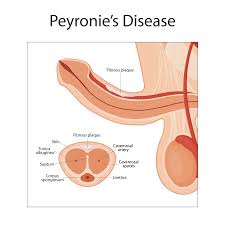
Peyronie’s disease is a connective tissue disorder that causes the formation of fibrous plaques in the penis, leading to curvature, pain, and sometimes erectile dysfunction. The condition can be distressing for men, impacting both physical and psychological well-being.

Causes and Risk Factors

While the exact cause of Peyronie’s disease remains unclear, several factors may contribute to its development, including:

Microtrauma or Injury: Repeated minor injuries to the penis during sexual activity or physical trauma.

Genetic Factors: Family history may play a role in susceptibility.

Autoimmune Response: The immune system may mistakenly attack penile tissues, leading to plaque formation.

Aging: The risk increases with age, typically affecting men over 40.

Connective Tissue Disorders: Conditions like Dupuytren’s contracture are linked to Peyronie’s disease.

Peyronie’s Disease symptoms

  • Curved or Bent Penis – Noticeable bending or curvature, especially during an erection.
  • Pain – Discomfort or pain in the penis, both when erect and flaccid.
  • Plaque Formation – Hard lumps or bands of scar tissue under the skin of the penis.
  • Erectile Dysfunction (ED) – Difficulty achieving or maintaining an erection.
  • Shortening of the Penis – A reduction in penis length over time.
  • Indentations or Narrowing – A narrowing or hourglass shape in the shaft.
  • Penile Deformities – Visible changes such as an abnormal shape, dents, or twists.

Limitations of Allopathic Treatment

Conventional medicine offers limited options for treating Peyronie’s disease. Most allopathic treatments focus on managing symptoms rather than curing the condition. These include:

Oral Medications: Vitamin E, colchicine, and pentoxifylline have been used, but their effectiveness is uncertain.

Injections: Collagenase clostridium histolyticum (Xiaflex) may help break down plaques but carries side effects.

Surgical Intervention: Surgery is considered only in severe cases but poses risks like erectile dysfunction and reduced penile length.

Shockwave Therapy: A non-invasive option, but its long-term efficacy remains debatable.

Due to these limitations, many men seek alternative treatments such as homeopathy.

Homeopathic Approach to Peyronie’s Disease

Homeopathy offers a holistic and individualized treatment approach by addressing the root cause and promoting natural healing. Peyronie disease treatment in homeopathy Some commonly used homeopathic remedies include:

Thiosinaminum: Known for its ability to dissolve fibrous tissues and reduce plaque formation.

Calcarea Fluorica: Recommended for hard, fibrous lumps and improving tissue elasticity.

Silicea: Helps with scar tissue reduction and improves overall connective tissue health.

Ruta Graveolens: Effective for injuries and connective tissue disorders affecting the penis.

Lycopodium: Suggested for men experiencing Peyronie’s disease alongside erectile dysfunction.

Nitric Acid: Helps manage pain and discomfort caused by fibrous plaques.

Why Choose Health Global Homoeopathy?

Safe and Non-Invasive: No risk of surgical complications or side effects from drugs.

Holistic Healing: Addresses underlying causes rather than just symptoms.

Improves Tissue Health: Helps in reducing plaque naturally and enhancing penile function.

Conclusion

While allopathy lacks a definitive cure for Peyronie’s disease, homeopathy provides a promising alternative. If you are struggling with the condition, consult a homeopath for a tailored treatment plan. Early intervention can help manage symptoms and improve penile health naturally.If you are looking for peyronie disease treatment in homeopathy expert opinion please contact Health Global Homoeopathy clinic.


Eye Floaters Treatment in Homeopathy

What Are Eye Floaters?

Eye floaters are tiny spots, specks, or cobweb-like shapes that drift across your field of vision. They are more noticeable when looking at a bright background, such as a clear sky or a white screen. While generally harmless, persistent floaters can be irritating and may indicate underlying eye issues.

Causes of Eye Floaters

Eye floaters develop due to changes in the vitreous, the gel-like substance inside the eye. Common causes include:

Aging: The vitreous shrinks and becomes more liquid, forming clumps that cast shadows on the retina.

Posterior Vitreous Detachment (PVD): The vitreous pulls away from the retina, leading to floaters.

Eye Injuries or Surgeries: Trauma to the eye can cause floaters.

Retinal Tears or Detachment: A severe condition requiring immediate medical attention.

Diabetic Retinopathy: A complication of diabetes affecting the retina.

Uveitis: Inflammation in the eye that can lead to floaters.

No Effective Allopathic Treatment for Eye Floaters

In allopathy, there is no specific medication to eliminate eye floaters. Treatment options are limited to:

Observation: In most cases, doctors recommend waiting as the brain adapts and learns to ignore the floaters.

Vitrectomy: A surgical procedure that removes the vitreous gel and replaces it with a saline solution. However, it carries risks like retinal detachment and cataracts.

Laser Therapy (YAG Laser Vitreolysis): Some ophthalmologists use lasers to break down large floaters, but results vary.

Since conventional medicine offers limited solutions, many individuals explore alternative treatments like homeopathy.

Homeopathic Approach to Eye Floaters

Homeopathy offers a holistic and individualized treatment for eye floaters. It focuses on restoring overall eye health and addressing underlying causes. Some commonly prescribed homeopathic remedies include:

Phosphorus: Recommended for those experiencing floaters with sensitivity to light and colors.

Silicea: Useful for floaters caused by weakness in connective tissues and poor circulation.

Natrum Muriaticum: Effective for those with chronic eye strain and dryness.

Agaricus Muscarius: Suggested for individuals experiencing black spots or moving cobweb-like structures in vision.

Belladonna: Helps when floaters appear alongside headaches and eye inflammation.

Benefits of Homeopathic Treatment

Non-Invasive and Safe: Unlike surgery, homeopathy is free from risks and side effects.

Addresses Underlying Causes: It treats the root cause rather than just symptoms.

Holistic Healing: Improves overall eye health and vision quality.


Conclusion

While allopathy lacks a definitive cure for eye floaters, homeopathy offers a promising alternative. If you suffer from persistent floaters, consult a qualified homeopath  for a personalized treatment plan . Remember, early intervention can help improve vision and enhance eye health naturally.call at health global homoeopathy clinic for further details at vijaynagar bangalore for Eye floaters treatment in homeopathy